
Views: 0 Author: Site Editor Publish Time: 2026-08-16 Origin: Site


Reinforcement materials form the invisible backbone of modern infrastructure. Structural integrity relies heavily on the mechanical bond formed between concrete and embedded steel. This specific interface ultimately dictates how a structure withstands dynamic loads over decades. Selecting sub-standard materials introduces severe structural risks to any project. Poor quality wire can trigger micro-cracking, accelerate tension relaxation over time, and cause disastrous supply chain delays. You also face hidden engineering risks when procurement teams fail to rigorously evaluate metallurgical properties.
This guide provides an objective, engineering-first framework for material evaluation. We will explore how to source the correct wire for your specific load demands, environmental exposure, and compliance standards. You will learn to navigate technical specifications confidently. This knowledge ensures lasting structural performance for your heavy infrastructure projects.
Bonding Efficiency: The specific geometry of helical ribs significantly improves concrete anchorage compared to smooth alternatives, reducing transfer length.
Performance Metrics: Evaluation must prioritize verifiable low-relaxation properties and precise tensile strength metrics over general marketing claims.
Compliance & Traceability: Sourcing requires strict adherence to international standards (ASTM, EN, BS) backed by continuous batch testing and authentic Mill Test Certificates (MTCs).
Supplier Viability: A reliable procurement decision weighs material specifications equally with supplier consistency, packaging standards, and supply chain transparency.
Every engineering project features unique structural demands. You must map out the intended application clearly before specifying materials. Railway sleepers face intense, repetitive dynamic impacts daily. They need materials capable of absorbing constant vibration without fatiguing. Hollow-core slabs demand highly consistent deflection control across long spans. Manufacturers rely on uniform tension to maintain straight, predictable cambers. Large-span bridges require absolute maximum load-bearing capacity. You must establish these baseline load-bearing expectations early in the design phase. We recommend defining your safety margins strictly before contacting any manufacturers. This proactive approach prevents costly redesigns or structural failures later.
Concrete environments vary wildly across different geographic locations. Corrosive coastal exposure demands distinct metallurgical protection. Saltwater ingress attacks steel reinforcements relentlessly over time. Severe temperature fluctuations cause rapid expansion and contraction cycles within the concrete. You must evaluate these lifecycle factors carefully during the planning stage. They determine if you need specialized surface treatments or coatings. They also dictate specific chemical composition requirements for the raw steel. High-humidity environments require strict moisture control during the curing phase. We advise engineers to consult local climate data extensively. Match your material specifications directly to the expected environmental harshness.
Procurement teams often focus solely on the basic cost-per-ton. You should shift this focus toward comprehensive lifecycle value and operational efficiency. Evaluate how superior material geometry improves installation speed on site. Better grip means heavily reduced concrete slippage during the initial curing phase. This efficiency cuts down labor hours and rework significantly. High-quality materials inherently reduce long-term maintenance needs. They prevent premature structural degradation effectively. We recommend calculating the financial benefits of extended structural lifespans. Investing in premium wire often yields massive operational savings eventually. It protects your reputation as a reliable builder.
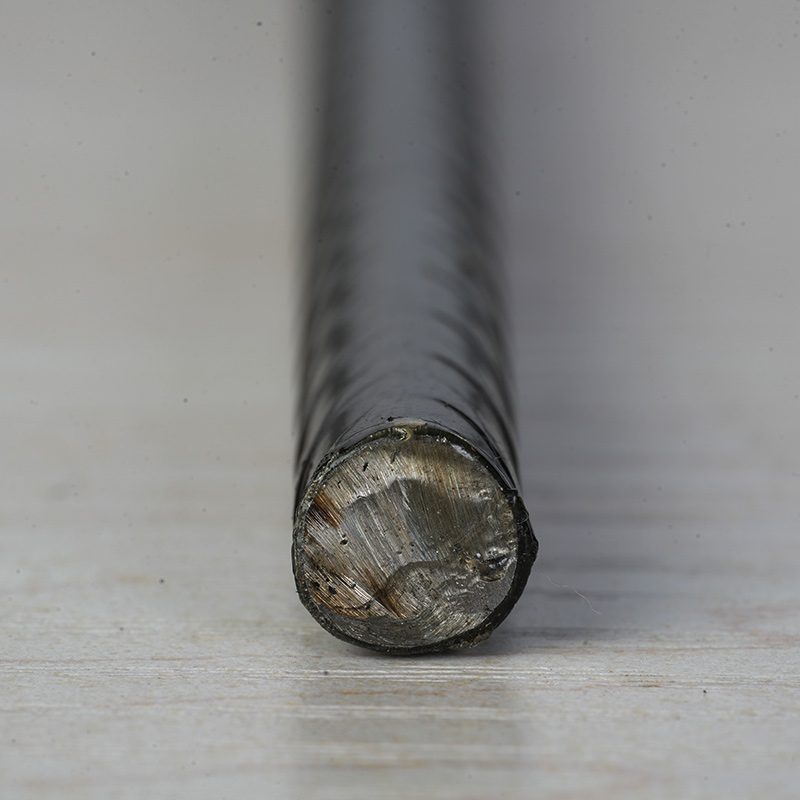
You must scrutinize tensile strength metrics closely during evaluations. Engineers typically expect ultimate tensile strength ranges spanning 1470 MPa to 1860 MPa. These numbers define the absolute breaking point of the material. However, yield ratios matter just as much for structural safety. You need to review the stress-strain curves carefully. Manufacturers provide these charts for technical verification purposes. Read them to confirm actual yield limits against theoretical models. Nominal values printed in brochures often differ from physical test results. You want a high yield-to-tensile ratio. This ensures the steel behaves predictably under extreme elastic strain. Using High Strength Helical Rib Steel Wire guarantees you meet these stringent structural demands reliably.
Rib geometry directly determines mechanical interlocking efficiency. Pitch, depth, and the number of ribs matter immensely. They heavily increase the bonding capacity inside the concrete matrix. Deeper ribs bite into the concrete harder during tensioning. Tighter pitches increase the overall friction surface area along the wire. These geometric features distribute stress uniformly across the structural element.
Implementation Reality: Beware of irregular rib profiles during site inspections. Poorly formed ribs create dangerous stress concentration points. These physical anomalies often trigger premature fatigue failure under heavy loads. We see this issue frequently in low-grade materials. Always inspect the uniformity of the ribbing pattern visually. It must remain perfectly consistent along the entire spool length.
Prestressing Steel Wire must exhibit verified low relaxation properties. This characteristic maintains continuous tension over the structure's entire lifespan. High relaxation causes a dangerous loss of structural camber. Beams begin to sag unacceptably over time, threatening structural integrity. We look for specific acceptable testing metrics from suppliers. Standard industry tests measure relaxation over 1,000 hours continuously. The acceptable tension loss remains strictly under 2.5% at standard temperatures. You must demand proof of these 1,000-hour isothermal relaxation tests. Never skip this verification step during procurement.
Wire Profile Type | Anchorage Grip | Stress Distribution | Transfer Length Requirement | Best Application Scenario |
|---|---|---|---|---|
Smooth Wire | Low | Variable (Friction only) | Long | Unbonded post-tensioning |
Indented Wire | Moderate-to-High | Localized Concentration Points | Medium | Standard precast operations |
Helical Rib Wire | Maximum | Highly Uniform | Shortest | High dynamic load structures |
You should compare the mechanical grip of different profiles carefully. Helical ribs offer superior, uniform stress distribution overall. The continuous thread design spreads tension evenly into the concrete. Conversely, indented wire often suffers from localized stress concentrations. The sharp indentations can create microscopic fracture points under heavy strain. Helical geometry minimizes the required transfer length significantly. It grips the surrounding concrete matrix aggressively. This allows engineers to design shorter anchorage zones safely. Space optimization becomes much easier during the drafting phase.
Different surface profiles suit very specific engineering applications.
Smooth Wire: Best for applications requiring specific slip properties. Use it when mechanical bonding ranks secondary. It serves well in unbonded post-tensioning systems.
Indented Wire: A traditional choice for many standard precast operations. It provides moderate-to-high bonding capabilities. However, it falls short under extreme dynamic loading.
Helical Rib: The undisputed optimal choice for heavy infrastructure. It guarantees maximum anchorage and shortest transfer lengths. It excels where high dynamic load resistance remains non-negotiable.
You must frame the cost discussion around long-term structural performance. Justify the premium price point through massive material efficiency. High-efficiency wire reduces overall material usage requirements heavily. Superior bonding ensures a drastically longer structural lifespan. You save money through optimized, leaner design limits. Using Helical Rib Steel Wire reduces the sheer volume of steel needed. The initial financial investment pays off through decades of flawless stability. You eliminate costly concrete repairs down the road. High performance equates directly to long-term profitability.
Adherence to international frameworks remains absolutely non-negotiable. You must ensure strict, documented compliance for every batch. Key standards include ASTM A421, EN 10138-2, BS 5896, and GB/T 5223. These regulations govern acceptable mechanical tolerances strictly. They also dictate precise geometric dimensions for the ribbing. You should familiarize yourself with the specific standard governing your region. Match the certification directly to your local building codes. Never accept materials lacking proper certification references. Doing so introduces unacceptable liability risks.
Demand concrete proof from your chosen suppliers constantly. Buyers must actively request third-party metallurgical analyses. Ask for dynamic fatigue test data covering millions of cycles. Isothermal relaxation test reports are practically mandatory for prestressed concrete. Do not accept vague marketing promises or generic brochures. We strongly advise hiring independent testing laboratories occasionally. They can verify the manufacturer's physical claims objectively. Cross-referencing data ensures you receive exactly what you ordered. Authentic evidence builds genuine trust.
Heat numbers track the exact raw steel origin flawlessly. They provide a clear lineage back to the original blast furnace. Continuous batch monitoring proves manufacturing stability over time. You need comprehensive Mill Test Certificates (MTCs) for every delivery. These critical documents ensure lot-to-lot consistency. They protect your project from sudden, dangerous material variations. If a failure occurs, traceability markers isolate the defective batch instantly. This prevents widespread structural compromise across your site.
Evaluate the supplier's wire drawing process carefully. Assess their continuous tempering and thermal stabilization methods. Inconsistent heat treatment acts as a massive red flag. It causes wildly fluctuating yield strengths across different spools. A reliable supplier standardizes these thermal processes perfectly. They monitor heating and cooling temperatures in real-time. Consistent stabilization guarantees uniform elastic behavior on the job site. We recommend auditing their factory floors if possible. Observing the drawing machinery reveals their true operational standards.
International shipping introduces severe material risks rapidly. Surface corrosion destroys wire integrity in days. Mechanical damage ruins the spooling process during site installation. Demand acceptable, standardized packaging methods immediately. Suppliers must use vapor corrosion inhibitor (VCI) wrapping. The VCI emits protective molecules to prevent oxidation entirely. Moisture-proof coils prevent rust during prolonged ocean transit. Wooden pallets must withstand heavy lifting without collapsing. Proper logistics ensure the wire arrives in factory condition.
Evaluation Phase | Action Required | Risk Mitigated |
|---|---|---|
Phase 1: Documentation | Verify ASTM/EN certifications and audit MTCs. | Fraudulent claims, non-compliant materials. |
Phase 2: Physical Testing | Request sample coils for independent laboratory tension testing. | Inconsistent yield strength, brittle failure. |
Phase 3: Logistics Audit | Review VCI packaging standards and evaluate lead times. | Transit corrosion, severe project delays. |
Implement a rigid vetting process for all new vendors. Follow this simple 3-step checklist for safer procurement:
Verify all international certifications and request recent audit reports.
Request physical sample coils and test them aggressively.
Audit the overall supply chain capacity and realistic lead times.
This protocol filters out unreliable brokers quickly. It connects you directly with capable, engineering-focused manufacturers.
Choosing the right Steel Wire for Prestressed Concrete requires careful balancing. You must weigh geometric advantages against rigorous metallurgical testing. Prioritize verifiable low relaxation and precise tensile metrics heavily. Always demand absolute supplier transparency regarding heat treatments and logistics. The mechanical interlock provided by helical ribs remains unmatched for heavy loads. We encourage buyers to compile their technical data sheets early. Establish clear MTC requirements before issuing any purchase orders. Reach out to engineering-led suppliers for project-specific consultations. Request detailed quotes based strictly on verifiable compliance standards.
A: Standard gauges typically range from 4mm to 9mm. The chosen diameter directly dictates the overall breaking load. It also influences the spooling requirements during transport and installation. Larger diameters provide higher ultimate tensile strength for heavy-duty applications. Always match the exact gauge to your specific structural load demands.
A: The continuous ribs create a thread-like mechanical interlock. This design significantly increases the friction coefficient between the steel and the concrete. As tension applies, the ribs generate high radial pressure within the concrete matrix. This active wedging effect prevents slippage and drastically shortens the required transfer length.
A: You must demand comprehensive Mill Test Certificates (MTCs). These documents must detail the exact chemical composition. They should verify tensile strength, yield point, and elongation metrics accurately. The supplier must also include 1,000-hour relaxation values. Finally, require geometric dimensional tolerance reports to confirm precise rib spacing and depth.


