
Views: 0 Author: Site Editor Publish Time: 2026-08-23 Origin: Site


Selecting the right prestressing reinforcement is critical for controlling concrete anchorage length. You must minimize slip while ensuring long-term fatigue resistance under heavy loads. Modern infrastructure demands extreme precision from structural materials. A mismatch between wire type and application easily compromises safety. It can also lead to severe structural failures and costly project delays. This article provides a transparent, evidence-based comparison between helical rib surface profiles and standard smooth profiles for Prestressed Concrete (PC) manufacturing. Both wire types undergo similar fundamental metallurgical processes. They both rely on rigorous drawing procedures and controlled thermal treatments. However, their specific surface geometry dictates radically different mechanical bonding behaviors. We will explore the mechanics behind load transfer and slippage risks. You will learn the distinct performance outcomes of each profile across various stress scenarios. Finally, we provide actionable guidance to help you choose the best reinforcement for your production line.
Bonding Efficiency: Helical rib configurations significantly reduce transmission length and increase mechanical interlock compared to smooth surfaces.
Application Specificity: Dynamic, high-impact environments (like railway sleepers) heavily favor ribbed wire, while static or standard precast elements may safely utilize plain wire.
Cost vs. Performance: While plain wire offers lower upfront procurement costs, ribbed wire can reduce the total volume of steel required by maximizing anchorage efficiency.
Operational Impact: Transitioning surface profiles requires recalibration of tensioning grips, wedge systems, and quality control tolerances on the manufacturing floor.
Stress transfer from steel wire to concrete defines the integrity of prestressed elements. This load transfer relies on three distinct mechanical phases. First, chemical adhesion bonds the steel surface to the surrounding cement paste. Second, standard friction resists movement as tension releases and the wire attempts to contract. Third, mechanical interlock actively prevents continuous pull-out once initial slipping begins. Surface geometry heavily influences this final, crucial phase.
Inadequate bonding introduces severe slippage risks. When a wire slips inside the concrete matrix, it initiates internal micro-cracking. These invisible fractures compromise the element's structural integrity. Over time, inadequate bonding causes a permanent loss of prestress. You might observe bridge girders losing their engineered camber. Concrete panels may deflect beyond acceptable limits under standard loads.
Modern structural codes actively address these bonding dynamics. Industry standards now mandate rigorous pull-out testing validations. Evaluators no longer look solely at pure tensile strength. They shift their focus toward composite bonding efficiency. Engineers must prove the reinforcement maintains grip under diverse stress states. This regulatory shift highlights why choosing the correct surface profile matters immensely.
Best Practice: Always request comprehensive pull-out test data for your specific concrete mix. Do not rely entirely on generalized manufacturer specifications.
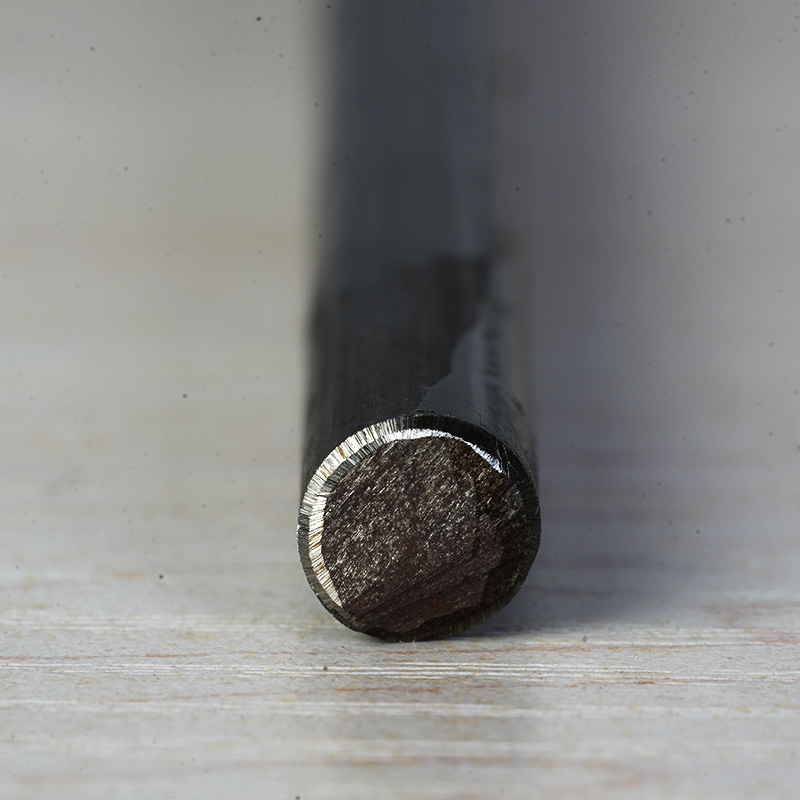
Geometric mechanics define how ribbed profiles interact with cement. Manufacturers cold-roll continuous spiral indentations into the steel surface. These helical channels create a highly positive mechanical lock. The concrete paste flows directly into these grooves during pouring. As the concrete cures, it forms rigid shear keys along the wire. This geometry drastically alters how the composite material handles stress.
The performance outcomes of this mechanical lock are substantial. Helical Rib Steel Wire achieves a significant reduction in bond transmission length. Tension transfers into the concrete over a much shorter distance. This allows engineers to design shorter anchorage zones. Furthermore, the ribbed profile ensures superior crack distribution. It limits crack widths effectively under heavy loads. It also delivers exceptional fatigue resistance under continuous cyclic loading.
Primary use cases revolve around heavy-duty infrastructure. These environments generate constant dynamic stress. Railway sleepers represent a perfect application. High-speed trains create intense, repetitive vibrations. Bridge girders and large-span utility poles also benefit greatly. The aggressive mechanical interlock prevents the wire from loosening over decades of vibration.
Compliance requires evaluating precise geometric specifications. Standard tensile requirements still apply. However, quality control must factor in the specific depth and pitch of the helical ribs. Shallow indentations fail to generate sufficient shear keys. Overly deep ribs can inadvertently create weak points in the wire cross-section.
Baseline characteristics of plain wire focus on surface uniformity. This smooth profile lacks macroscopic indentations or ribs. It relies primarily on chemical adhesion and standard friction for concrete bonding. The absence of surface texturing means the bond relies heavily on the concrete's compressive shrinkage around the steel.
Thermal treatment plays a critical role in its performance. Stress Relieved Steel Wire undergoes targeted heating and cooling phases. This process ensures highly predictable elongation. It provides excellent ductility during manufacturing operations. The treatment also guarantees reduced stress relaxation over the element's lifespan. It achieves these essential material properties without requiring any aggressive surface texturing.
Performance outcomes reflect its predictable nature. High Tensile Plain Steel Wire delivers highly consistent yield strength. Factory workers generally find smooth wire easier to handle. It causes less abrasive wear on guide rollers. More importantly, plain wire carries a lower risk of localized stress concentrations. Smooth surfaces distribute tensile forces evenly across the entire cross-section.
Primary use cases involve static structural elements. Standard precast concrete panels utilize plain wire frequently. Hollow core slabs rely on it for consistent, automated production. It excels in applications featuring mechanical end-anchors. Systems utilizing button heads or specialized grip plates compensate perfectly for the lack of surface interlock.
Common Mistake: Using plain wire in high-vibration applications without external mechanical anchorages. This frequently leads to gradual bond deterioration and prestress loss.
Selecting the optimal profile requires evaluating three distinct criteria. We must compare anchorage models, cost efficiency, and fatigue resistance.
Pull-out resistance data models highlight a clear divergence. Plain wire exhibits a relatively rapid drop in resistance once chemical adhesion breaks. Slippage can occur suddenly if friction limits are exceeded. Helical ribs mitigate this sudden slip failure entirely. The indentations engage the concrete matrix directly. The wire must physically shear the concrete keys to pull out. This gradual failure mechanism provides critical structural warning signs before catastrophic collapse.
Procurement costs differ noticeably between the two profiles. Plain wire generally offers lower manufacturing costs per ton. It requires fewer specialized rolling dies during production. However, helical rib wire can lower overall project costs. The superior interlock reduces the necessary embedment length. You can achieve the required tension transfer using less total steel density per concrete unit. This material optimization often offsets the higher initial wire price.
Dynamic shocks heavily test the reinforcement bond. Contrast plain wire's baseline durability with helical wire's robust grip. Plain wire handles static loads exceptionally well. Yet, repetitive dynamic shocks degrade its frictional bond over time. High-speed rail traffic provides a perfect example. The continuous vibration micro-fractures the smooth bond interface. Helical wire maintains its grip during these repetitive shocks. The physical shear keys resist degradation far longer than simple friction.
Prestressed Wire Profile Comparison Matrix
Decision Criteria | Helical Rib Profile | Plain Smooth Profile |
|---|---|---|
Load Transfer Mechanism | Chemical adhesion + friction + mechanical lock | Chemical adhesion + friction |
Transmission Length | Significantly reduced (shorter anchorage zone) | Standard to extended |
Dynamic Fatigue Resistance | Superior (ideal for heavy cyclic shocks) | Moderate (best for static loads) |
Equipment Wear Rate | Higher wear on tensioning grips and cutting tools | Lower abrasive wear on machinery |
Cost Optimization | Saves material via shorter embedment requirements | Lower initial procurement cost per ton |
Switching surface profiles introduces tangible manufacturing challenges. Factory managers must anticipate several operational adjustments.
Equipment wear and tear accelerates when using ribbed wire. The continuous indentations act like a mild abrasive file. They aggressively wear down extrusion nozzles over time. Tensioning grips and automated cutting tools also degrade faster compared to processing smooth wire. Maintenance schedules require immediate revision to prevent unexpected tooling failures. You must budget for more frequent replacement of consumable machinery parts.
Tensioning calibration presents a critical safety concern. You must adjust hydraulic jacks and wedge systems carefully. Gripping jaws designed for smooth surfaces may struggle to secure ribbed wire. The varied surface geometry can cause uneven jaw seating. This mismatch easily leads to dangerous jaw slippage during pre-tensioning. In severe cases, improper wedges can shear the wire entirely at the anchor point. You need to verify wedge compatibility with your specific rib pitch.
Storage and corrosion variables demand stricter environmental controls. Base steel properties dictate general corrosion rates. However, surface indentations are highly susceptible to localized moisture pooling. Rainwater or heavy humidity settles into the helical grooves. This micro-pooling accelerates rust formation during outdoor site storage. Plain profiles shed water more effectively. You must implement robust tarping and moisture-control protocols when storing ribbed wire inventories.
Making the final decision requires aligning material strengths with your production constraints. Review your specific application demands against these guidelines.
Choose high tensile plain steel wire if your production line meets these conditions:
Your structural designs actively utilize mechanical end-anchorages to secure the tension.
Your production line prioritizes component lifespan, particularly regarding tensioning grips and jaws.
Your end application primarily involves static, predictable loads.
You manufacture residential precast walls, hollow core floor slabs, or standard commercial panels.
You aim to minimize upfront steel procurement costs without complex anchorage engineering.
Choose helical rib steel wire if your projects demand the following performance traits:
You manufacture heavy infrastructure elements subject to constant vibration and dynamic loads.
You urgently need to minimize concrete cover and shorten the required transmission length.
You must strictly comply with rigorous rail, highway, or bridge authority standards.
Your designs cannot accommodate bulky mechanical end-anchors.
You produce high-speed railway sleepers, long-span bridge girders, or heavy utility poles.
Selecting the optimal prestressing wire demands a clear understanding of composite bonding mechanics. The choice ultimately balances required mechanical interlock against straightforward, predictable ductility. Ribbed profiles dominate highly dynamic, vibration-heavy environments. They shorten transmission lengths and lock securely into the concrete matrix. Plain profiles excel in static applications. They offer predictable performance and reduce mechanical wear on your production equipment.
Take actionable steps before committing to a wide-scale specification change. We recommend conducting localized pull-out tests using your precise concrete mix. Execute a thorough cost-benefit analysis regarding expected tooling wear and maintenance downtime. Do not assume your current tensioning wedges will handle a new surface profile seamlessly.
Finally, always verify the credibility of your materials. Demand comprehensive mill test certificates for every batch. Scrutinize the yield strength data carefully. For ribbed variants, ensure the specific rib geometry tolerances align perfectly with your structural engineering models. Informed material selection guarantees both structural safety and manufacturing efficiency.
A: No. Stress relieving is a specialized thermal treatment process, not a surface description. Manufacturers apply this heat treatment to both plain and helical rib wires. The process dramatically improves ductility and reduces internal drawing stresses. It ensures the wire performs predictably, regardless of its exterior surface texture.
A: Pitch dictates the frequency of the mechanical shear keys. Tighter pitches and optimized indentation depths increase mechanical interlock significantly. However, manufacturers must balance this geometry carefully. Overly deep or tightly spaced ribs can create stress concentrations, inadvertently forming weak points in the wire's cross-section.
A: While sometimes physically possible, it is highly discouraged. Best practices dictate using tensioning wedges specifically profiled for the exact wire type. Mismatched wedges fail to seat correctly on textured surfaces. This mismatch easily causes dangerous jaw slip or severe surface damage during high-pressure pre-tensioning.
A: The base steel chemistry dictates the fundamental corrosion resistance for both types. However, ribbed profiles theoretically harbor moisture more easily. The helical grooves can trap condensation or rain if improperly stored outdoors. Therefore, you must enforce strict environmental controls and proper tarping protocols for both wire types.


