
Views: 0 Author: Site Editor Publish Time: 2026-08-08 Origin: Site


In prestressed concrete manufacturing, structural failure is never an option. Wire selection represents a high-liability decision for any engineering team. Every specification counts when lives and infrastructure rely on your project. Over the years, engineers have shifted toward specialized bonding profiles. They need robust materials capable of combating concrete slippage in highly demanding, high-stress environments. Traditional friction-based bonding often falls short under cyclical loads. This article provides structural engineers and procurement teams with a clear, actionable framework. You will learn how to evaluate and source Helical Rib Steel Wire based on technical performance and supplier reliability. We guide you through critical mechanical properties, core applications, and essential quality control checks. These insights are necessary for long-term project safety. By understanding these key factors, you can confidently navigate procurement complexities and protect your structural investments against premature degradation.
Superior Bonding: Helical ribs provide a continuous mechanical interlock, offering measurable advantages in anchorage and slip resistance compared to plain alternatives.
Application Specificity: This profile is engineered specifically for high-fatigue environments like railway sleepers, bridge girders, and large-scale precast elements.
Standardization Matters: Validating compliance with international standards (e.g., ASTM, BS, GB/T) is non-negotiable for mitigating project risk.
Vendor Viability: Beyond material specs, final procurement decisions must hinge on a supplier's mill test transparency, production scalability, and logistics capabilities.
Engineering teams face a persistent problem in prestressed concrete. They must maintain tension without micro-slippage over decades of load-bearing use. When prestressed wire loses its grip on the surrounding concrete, structural integrity drops rapidly. This phenomenon causes excess deflection and eventual failure. To solve this, manufacturers developed different wire surface profiles. Each profile serves a distinct engineering purpose. You must understand their differences to select the right material.
This traditional profile relies entirely on surface friction and chemical adhesion. It features a smooth exterior. Engineers typically use Plain Steel Wire for Concrete in standard, low-stress precast applications. It works well when simple friction bonding is sufficient. However, it has notable limitations. Plain wire carries a much higher risk of tension loss in dynamic load environments. It struggles to prevent micro-slippage when subjected to heavy vibrations or cyclical fatigue.
To improve upon plain wire, manufacturers introduced indentation. This process stamps small depressions into the wire surface. Indented Steel Wire for Prestressed Concrete offers improved grip. The indentations create mechanical interlocking points with the concrete paste. However, this profile also has limitations. The mechanical indenting process displaces metal. This can occasionally create localized stress concentration points. If manufacturing tolerances are poor, these indentations weaken the wire under extreme tension.
This specialized wire features a continuous spiral rib geometry along its length. It solves the shortcomings of both plain and indented profiles. The helical shape acts like a screw thread embedded in the concrete. This design distributes stress evenly across the entire wire surface. It eliminates the dangerous stress concentration points found in poorly stamped indented wires. The spiral ribs maximize the concrete-to-steel contact area. This continuous mechanical interlock drastically improves overall bonding strength. It effectively locks the wire in place and neutralizes micro-slippage risks.
Table 1: Bonding Profile Performance Comparison
Profile Type | Primary Adhesion Mechanism | Fatigue Resistance | Ideal Use Case |
|---|---|---|---|
Plain | Friction and chemical bond | Low to Moderate | Standard precast, low dynamic loads |
Indented | Discontinuous mechanical grip | Moderate to High | General prestressed structural components |
Helical Rib | Continuous mechanical interlock | Very High | Railway sleepers, long-span bridges |
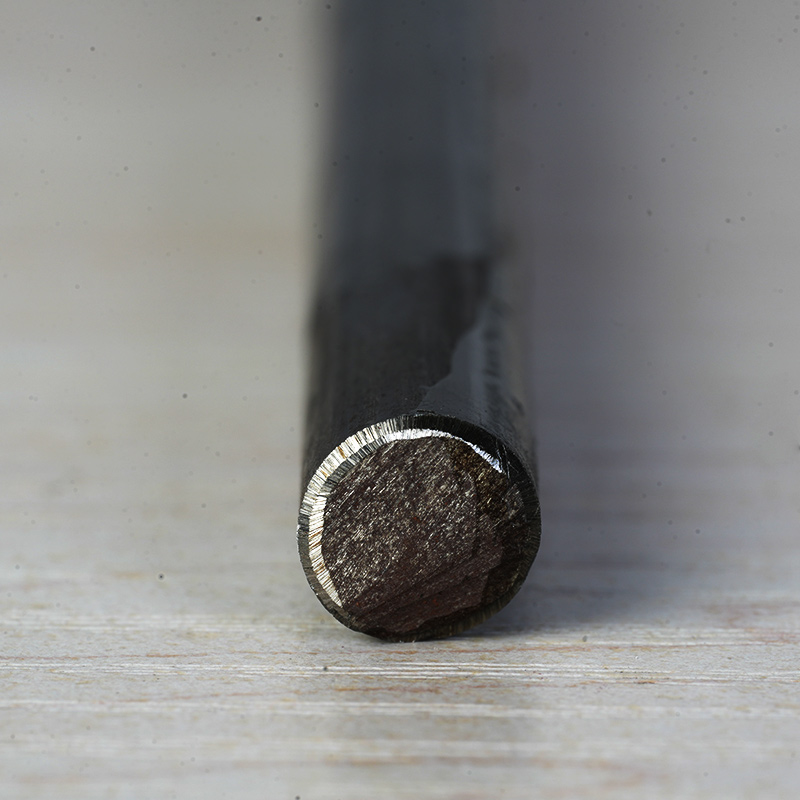
Engineers do not specify specialized materials without cause. They rely on the unique geometry of Helical Rib Steel Wire for Concrete for their most demanding projects. Certain infrastructure elements face punishing environmental and physical loads. These applications demand uncompromising structural integrity.
Railway sleepers endure brutal operating conditions. They must withstand continuous, cyclical dynamic loading from heavy rail traffic. Trains passing over the tracks create intense downward forces and rapid vibrations. High fatigue resistance is an absolute necessity here. The continuous mechanical interlock of the spiral ribs prevents the wire from slipping inside the concrete tie. Furthermore, low relaxation properties are critical. The wire must maintain its prestressed tension over decades. If the wire relaxes, the sleeper cracks, jeopardizing track stability.
Bridge construction pushes materials to their mechanical limits. You will frequently find specialized wire in both pre-tensioned and post-tensioned concrete girders. Long-span bridges require immense tensioning forces to prevent mid-span sagging. Deflection control is a primary concern for structural engineers. The enhanced bonding strength of the spiral profile ensures secure anchorage. It guarantees that prestressing forces transfer efficiently into the massive concrete girders. This interaction ensures long-term structural integrity under heavy vehicular traffic.
Industrial precast manufacturing relies on efficiency and speed. Facilities produce large utility poles and foundation piles in rapid succession. During the curing phase, the concrete must bond quickly and securely to the tensioned steel. The helical profile facilitates rapid force transfer. Once the concrete reaches adequate compressive strength, manufacturers release the tensioning jacks. The spiral ribs immediately lock into the surrounding concrete. This prevents any loss of pre-compression force, ensuring the piles can withstand intense driving forces during installation.
Selecting the right prestressed wire requires strict adherence to technical specifications. Procurement teams cannot base decisions on basic descriptions alone. You must evaluate specific mechanical and dimensional metrics. These metrics determine how the material behaves under actual field conditions.
A wire's mechanical properties dictate its load-bearing capacity. You must closely examine both tensile and yield strengths. Standard acceptable ranges for tensile strength typically fall between 1470 MPa and 1770 MPa, though some applications require even higher grades. You must match these values precisely to your project blueprints. Using a lower grade compromises safety. Using an excessively high grade without engineering approval can induce brittle failure.
You also need to assess the low relaxation rate. This metric is the ultimate indicator of long-term safety. When steel remains under high tension, it naturally stretches and relaxes over time. A standard low relaxation rate is typically ≤ 2.0% after 1000 hours of continuous tension. If the relaxation rate exceeds this threshold, the concrete element will eventually lose its required pre-compression. This loss leads to structural cracking.
Precision matters in precast manufacturing. Wire diameter accuracy is non-negotiable. Common diameters range from 4.0mm to 9.0mm. Your supplier must maintain strict tolerances across the entire coil. Variations in diameter cause uneven stress distribution during the tensioning process.
Furthermore, you must evaluate the pitch and depth of the helical rib. Consistency in the spiral geometry is crucial for predictable concrete adhesion. If the rib depth is too shallow, the wire acts like plain wire, losing its mechanical interlock. If the rib is too deep or the pitch is irregular, it creates weak points along the steel shaft. Consistent geometry ensures uniform bonding strength across the entire concrete element.
Infrastructure projects require documented proof of quality. Your suppliers must prove compliance with baseline international standards. Common standard frameworks include ASTM A421, BS 5896, and GB/T 5223. These standards govern everything from chemical composition to mechanical testing methods.
We advise readers to demand independent verification. Do not rely solely on in-house supplier claims. Require independent third-party lab testing certificates. Accredited laboratories provide unbiased confirmation that the material meets or exceeds the required regulatory standards. This documentation is essential for mitigating legal and structural risks.
Even with rigorous standards, manufacturing defects can occur. Procurement teams and site inspectors must know how to spot poor quality. Recognizing red flags early prevents disastrous failures on the construction site. You should scrutinize several key areas during quality control assessments.
Raw Material Sourcing: Always question the origin of the high-carbon steel rod (such as SWRH82B). The foundation of good wire is good metallurgy. Inconsistent metallurgy or high impurity levels lead to brittle wire. Brittle wire snaps during the tensioning phase, causing dangerous workplace accidents.
Inconsistent Rib Profiling: Inspect the wire visually. Warn your team against visual irregularities in the spiral pitch. If the spiral looks uneven or flattened in certain sections, it indicates poorly calibrated drawing machinery. Inconsistent profiling ruins the mechanical interlock advantage.
Surface Condition and Rust: You must define the difference between acceptable and dangerous oxidation. A light, uniform surface oxidation can actually aid concrete bonding. It slightly roughens the surface. However, structural pitting or heavy flaky corrosion is a severe red flag. Deep rust degrades the effective cross-sectional area, drastically reducing tensile strength.
The "Too Good to Be True" Price Trap: Provide your procurement team with a skeptical framework for evaluating ultra-low quotes. Unusually cheap wire is usually an indicator of compromised quality. Bad actors often skip crucial heat treatments or bypass essential quality assurance testing to cut costs. Cheap material always introduces unacceptable project risks.
Procuring specialized steel requires a methodical approach. You cannot treat high-tensile wire as a simple commodity. Evaluating vendor viability requires a structured auditing process. Follow these steps to ensure you partner with a reliable, high-quality manufacturer.
Step 1: Audit the Mill Test Certificate (MTC): The MTC is your primary proof of quality. Train your team to read an MTC carefully. Verify that the heat numbers printed on the certificate perfectly match the physical metal tags attached to the delivered coils. Discrepancies here indicate severe traceability failures.
Step 2: Evaluate Packaging and Logistics: High-carbon steel rusts quickly if exposed to moisture. Assess the supplier's rust-proof packaging capabilities. Look for Volatile Corrosion Inhibitor (VCI) film, industrial desiccants, and heavy-duty strapping. Additionally, ensure the coil weights and dimensions align perfectly with your facility's uncoiling machinery to prevent handling damage.
Step 3: Requesting Samples for Adhesion Testing: Never buy blind. We recommend requesting standard sample lengths before committing to bulk tonnage. Run these samples through localized pull-out tests at your facility. Verify that the bonding strength meets your specific concrete mix design requirements.
Step 4: Assess Supply Chain Scalability: Infrastructure projects often span several years. Ensure the manufacturer has the actual production capacity to deliver consistently across multi-year timelines. A supplier who struggles to fulfill a small initial order will undoubtedly cause delays during peak construction phases.
Specifying the correct wire profile is an investment in lifecycle durability. It serves as a frontline defense against structural degradation and liability. Helical rib geometry provides superior mechanical interlocking, making it indispensable for dynamic, high-stress infrastructure. Plain and indented profiles have their places, but spiral ribs deliver unmatched reliability in critical applications.
You must remember that the lowest cost per ton often yields the highest risk per project. Compromising on material quality introduces severe safety hazards and long-term maintenance burdens. Procurement and engineering teams must work together to enforce strict dimensional tolerances, verify MTC traceability, and demand rigorous third-party testing.
We encourage you to take immediate action. Review your current project specifications. Audit your existing supplier’s documentation and packaging standards. If you spot inconsistencies, reach out to a certified metallurgist or a trusted supplier for a technical consultation. Protecting your infrastructure begins with making an informed, evidence-based procurement decision today.
A: Helical rib wire offers significantly higher bonding strength due to its continuous mechanical interlock. This spiral geometry drastically reduces the transmission length needed to transfer prestressing forces into the concrete. While plain wire relies on friction, the ribbed profile locks into the concrete matrix, minimizing slip risk under dynamic loads.
A: Railway sleepers typically require high-tensile wire with precise dimensions to handle extreme fatigue. The most common industry-standard diameters used in sleeper manufacturing are 5.0mm, 7.0mm, and occasionally 9.0mm. The exact diameter depends on the specific regional railway authority standards and anticipated axle loads.
A: Substitution strictly depends on the engineer of record. While both improve grip, their stress distribution profiles differ entirely. Indentations can create localized stress points, whereas helical ribs distribute stress evenly. Swapping profiles requires recalculating anchorage requirements and transmission lengths to ensure structural safety.
A: You must verify four critical metrics. First, check the ultimate tensile strength to ensure it meets blueprint grades. Second, review the elongation at break for ductility. Third, confirm the 1000-hour relaxation value is ≤ 2.0%. Finally, verify that diameter and rib geometry fall within exact acceptable dimensional tolerances.


