
Views: 0 Author: Site Editor Publish Time: 2026-11-26 Origin: Site


Have you ever wondered what keeps massive underground tunnels from collapsing under the crushing weight of the earth above? Structural safety in these extreme environments relies heavily on hidden, highly technical processes like deep underground grouting. A specialized tendon makes this complex stabilization process possible. It acts as the unsung hero of modern geotechnical engineering.
In this comprehensive guide, you will learn exactly how grout travels inside these specialized strands. We will explore the internal flow mechanisms and examine why superior encapsulation is vital for load transfer. You will also discover how selecting high-quality materials ensures long-term durability. Whether you are stabilizing a mine roof or reinforcing a skyscraper foundation, understanding this technology is crucial for the success of your next project.
Internal Flow Mechanism: Grout is pumped directly into the central core, traveling to the deepest end of the borehole before reversing direction to flow backward and systematically fill the annular space.
Superior Encapsulation: This specific bottom-up grouting methodology effectively eliminates trapped air pockets. The result is total encapsulation, which is absolutely necessary for maximum load transfer and long-term corrosion protection.
Efficiency in Engineering: Deploying hollow systems allows engineers to combine drilling, anchoring, and grouting into a single, highly efficient operation. This significantly reduces overall project timelines.
Material Quality Matters: Integrating premium steel ensures long-term structural stability by minimizing tension loss over the lifespan of the installation.
A hollow tendon is a specialized geotechnical engineering material designed to perform multiple critical functions simultaneously. Unlike traditional solid tendons, its physical anatomy consists of high-tensile steel wires helically woven around a central hollow steel tube. Specifically, this central tube acts as an unobstructed internal conduit for fluid transport. The surrounding high-carbon steel wires provide the formidable yield and tensile strength required for heavy load-bearing applications.
To put this into perspective, premium strands often feature a tensile strength ranging from 1770 MPa to 1860 MPa. The mechanical properties of this configuration are meticulously engineered to maintain exceptional structural integrity. The geometry allows the strand to withstand immense torque and axial loads during the harsh installation process. All the while, it preserves the integrity of the internal channel.
The development of this technology addresses severe limitations found in the standard solid Prestressing Strand. In conventional geotechnical anchoring, site crews face a cumbersome multi-step procedure. They must first drill a hole, remove the entire drill string, insert a solid steel tendon, and finally pump grout into the cavity.
However, in fractured rock masses, loose gravel, or unconsolidated soils, boreholes frequently collapse the moment the drill string is extracted. The hollow, self-drilling, and self-grouting strand was invented to solve this exact engineering nightmare.
Furthermore, recent industry trend analysis indicates a massive global shift toward these single-step stabilization methods. Driven by rising labor costs, increasingly tight project deadlines, and the push for deeper underground infrastructure, geotechnical firms are rapidly adopting self-drilling hollow systems. Market reports highlight a growing demand for concurrent drilling and grouting technologies to bypass the risks of borehole collapse. This shift is fundamentally streamlining underground support operations worldwide.
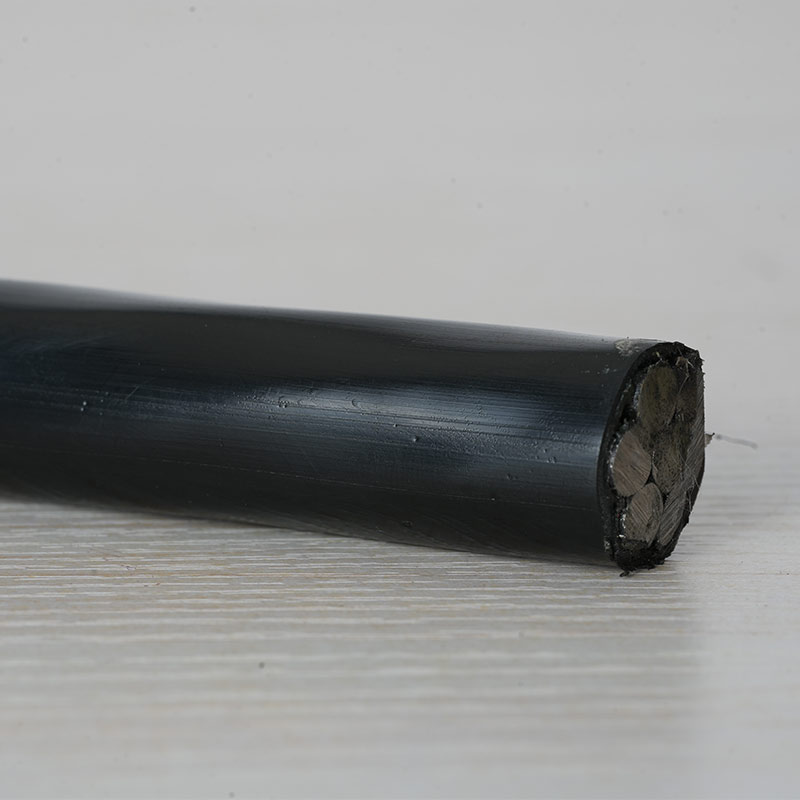
The grouting process initiates at the exposed surface collar of the installed strand. In the field, operators secure a specialized grout pump to the anchor head using a heavy-duty, high-pressure rotary injection adapter. This mechanical connection must be completely sealed to prevent any pressure bleed-off. Once locked in place, the pump operator starts the flow. They typically monitor controlled pressure ranges between 0.5 MPa and 2.0 MPa. The operator dynamically adjusts the pressure based on the depth of the borehole and the resistance of the geological formation.
Once injected, the dense cementitious mixture surges down the central hollow tube. The fluid dynamics inside this narrow conduit are strictly governed by the internal diameter of the strand and the rheological properties of the grout. Consequently, the grout must possess a highly specific viscosity. It needs to be fluid enough to maintain a steady laminar flow without triggering pump failure. Yet, it must remain cohesive enough to prevent the separation of water and cement under pressure. As the grout travels downward, the smooth internal steel walls guide the fluid. This maintains its velocity until it reaches the deepest point of the installation.
When the grout reaches the distal end of the Hollow Steel Strand, it violently exits through designated flushing ports located on the sacrificial drill bit. Upon exiting, the fluid strikes the bottom of the borehole and is mechanically forced to reverse its trajectory.
This reversal initiates the critical bottom-up filling process. The grout travels back up toward the surface through the annular space. This space is the narrow gap between the ribbed exterior of the steel strand and the rough surrounding soil or rock wall. This upward movement provides a massive mechanical advantage. As the heavy grout rises against gravity, it systematically displaces lighter elements. It pushes groundwater, loose debris, and trapped air out of the borehole opening at the surface. This continuous displacement is the only reliable way to prevent the formation of dangerous structural voids.
Grouting is far more than a simple void filler. It serves as the primary medium for load transfer. Once the cementitious grout cures and hardens into a solid matrix, it creates a high-strength mechanical interlock. This bond forms between the textured exterior of the steel strand and the irregular surface of the surrounding geology. When tensile stress is applied to the steel, that immense force is transferred through the hardened grout column and distributed evenly into the earth. Without a solid grout bond, the skin friction required to hold the anchor in place would immediately fail. This would compromise the entire structural system.
Underground environments are inherently hostile to exposed steel. High moisture levels, fluctuating oxygen exposure, and acidic soil conditions create the perfect storm for rapid oxidation and rust. In contrast, a continuous layer of hardened grout provides an impenetrable physical and chemical barrier against these destructive elements. Portland cement-based grouts are highly alkaline, typically presenting a pH of 12.5 or higher. This intense alkalinity creates a passivation layer on the surface of the steel. It fundamentally halts the electrochemical reactions that cause corrosion. Therefore, achieving total grout encapsulation is mandatory for the multi-decade design life expected in modern civil engineering.
To make the right engineering choice, you must match the strand type to the specific geological and structural demands of your project.
Strand Type | Core Structure | Key Features & Parameters | Ideal Application |
|---|---|---|---|
Hollow Strand | Tubular Steel Center | Concurrent drilling and grouting, 1770-1860 MPa tensile strength | Collapsing soils, emergency mine roof support, fractured rock |
Solid Bonded Strand | Solid Steel Wire Core | Maximum cross-sectional steel area, low relaxation rate under 2.5 percent | Precast concrete girders, stable rock anchoring |
Unbonded Strand | Solid Core with PE Sheath | Coated in anti-corrosion grease, high-density polyethylene jacket | Post-tensioned commercial floor slabs, bridge segments |
Hollow strands are the empirical choice for complex geological conditions. Engineers specify these materials when working in fractured rock masses, loose alluvium, or highly active seismic zones. Traditional multi-step drilling in these environments would result in immediate borehole cave-ins. Because they allow for concurrent drilling and grouting, they are indispensable for emergency stabilization. For example, in underground excavations requiring immediate structural reinforcement, utilizing a hollow tendon ensures that the roof and walls are secured instantly. This entirely eliminates the risk of the drilled hole collapsing before a tendon can be placed.
Conversely, standard solid strands remain the optimal choice for controlled, above-ground construction environments. In the manufacturing of precast concrete girders or commercial floor slabs, borehole collapse is simply not a factor. In these scenarios, solid prestressing strands provide the maximum cross-sectional steel area for high-tension applications.
Additionally, when engineers design post-tensioned slabs where the steel must move independently of the surrounding concrete, they will specify a Premium Unbonded PC Steel Strand. These specific strands are coated in specialized anti-corrosion grease and encased in a durable plastic sheath. This configuration intentionally prevents any grout or concrete bonding while minimizing friction losses during tensioning.
In materials science, relaxation refers to the gradual, microscopic decrease in stress that occurs in a material held at a constant strain over a long period. If a steel tendon relaxes too much, the structural element it supports loses its vital compression. This inevitably leads to deflection, cracking, and eventual failure. To counteract this natural phenomenon, manufacturers utilize a rigorous thermo-mechanical treatment process. By heating the steel to approximately 350 degrees Celsius while simultaneously applying high tension, the crystalline structure of the metal is permanently stabilized. Premium products boast a relaxation value of no more than 2.5 percent after 1000 hours of continuous load.
Specifying certified low-relaxation materials is a fundamental requirement for high-stakes construction projects. While initial procurement costs may be marginally higher, the return on investment is realized through the prevention of catastrophic structural failures. It also drastically reduces ongoing maintenance budgets. Utilizing a verified low-relaxation strand guarantees that the engineered tension calculated during the design phase remains active, reliable, and safe decades after the project is completed.
In deep underground excavations, the immediate redistribution of stress can cause catastrophic roof falls. Hollow systems are deployed as self-drilling rock bolts to rapidly reinforce mine roofs and tunnel walls. By pumping quick-setting grout through the core immediately after drilling, mining engineers can lock the fractured rock mass together before dangerous deformations have a chance to occur.
Picture a steep highway embankment exposed to torrential rain. To prevent deadly landslides, hollow tendons are driven into the slope in a dense grid pattern. As the grout travels through the strand and permeates the surrounding loose soil under high pressure, it creates a reinforced composite mass. This solidifies the hillside, intersecting potential slip surfaces and holding the retaining walls firmly in place.
When existing historical buildings or aging urban infrastructure begin to settle, reinforcing the foundation requires a surgical solution with a minimal footprint. Hollow tendons are used to construct micropiles. These are high-capacity deep foundation elements installed using compact drilling rigs in restricted access basements. The high-pressure grout injected through the strand creates a bulb in the load-bearing soil stratum, transferring the weight of the structure safely deep underground.
The success of the internal flow mechanism relies heavily on the physical properties of the grout. Engineers must meticulously balance the water-to-cement ratio, typically aiming between 0.40 and 0.45. A ratio that is too high will cause excessive bleeding, where water separates from the cement. This creates weak voids at the top of the anchor. Conversely, a ratio that is too low will result in a thick, unworkable paste that will inevitably clog the hollow core mid-pump.
Continuous and uninterrupted pumping is critical in the field. Contractors must keep a vigilant eye on the pressure gauges mounted on the grout pump. A sudden, sharp spike in pressure usually indicates a blockage inside the hollow core or at the drill bit ports. This is often caused by debris or a poorly mixed batch. On the other hand, a sudden drop in pressure may indicate that the grout is escaping into a large subterranean void. Operators confirm the successful completion of the process only when steady, uncontaminated grout returns to the surface from the annular space. This visual signal proves that the entire system is fully encapsulated.
Cementitious grouts can begin to kick and set within minutes, depending on ambient temperatures. Therefore, once the grouting of a strand is complete, the immediate flushing of the pump, hoses, and rotary adapters with clean water is non-negotiable. Any hardened material left in the delivery lines will restrict the internal diameter for the next installation. This leads to artificial pressure spikes and costly equipment failure. Standard operating procedures dictate flushing the lines until the discharge water runs completely clear.
Ultimately, the journey of the grout traveling forcefully down the center tube and flowing systematically back up the outer annulus makes the hollow strand a true engineering marvel. By combining drilling, tensioning, and grouting into a single fluid motion, this technology solves some of the most complex challenges in unstable underground construction.
However, the success of this intricate grouting process relies heavily on the quality of the steel itself. Project managers and lead engineers must carefully source high-yield, low-relaxation materials tailored to their specific site conditions. Doing so not only guarantees the immediate safety of your geotechnical projects but also ensures the long-term structural stability of the infrastructure.
Ready to upgrade your next geotechnical or post-tensioning project? Visit https://www.tjdejia.com to explore a comprehensive range of premium steel strands and find the exact specifications required to ensure your project's success.
No. The grout must be specifically formulated to be highly fluid with a low viscosity profile so it can travel through the narrow hollow core without clogging. It must still achieve high compressive strength once cured. Non-shrink cementitious grouts, often mixed with superplasticizers, are typically used to ensure a tight bond without volumetric reduction.
Because the grout travels down the center and back up the outside of the strand, operators know the process is complete when pure, unadulterated grout begins to flow out of the borehole opening at the surface. This visual confirmation is widely referred to in the geotechnical industry as achieving grout return.
A standard prestressing tendon is entirely solid and is used primarily for tensioning precast or post-tensioned concrete in controlled environments. A hollow variant features a tubular center, allowing it to act simultaneously as a self-advancing drill rod, a tensioning tendon, and a fluid grouting pipe. This makes it the ideal solution for unstable, collapsing ground conditions.
It undergoes a highly specific thermal and mechanical manufacturing process that significantly reduces the amount of tension it loses over time under constant load. This metallurgical stability ensures that the rock anchor or concrete structure remains tightly secured for decades without needing readjustment or risking catastrophic structural failure.
Grouting pressures typically range from 0.5 MPa to 2.0 MPa. However, the exact pressure depends on the depth of the borehole, the viscosity of the grout mix, and the permeability of the surrounding soil or rock. Pump operators must constantly monitor gauges to adjust the pressure dynamically and prevent blockages.
Initial setting times for specialized geotechnical grouts can be as rapid as 10 to 30 minutes, especially when quick-setting additives are used for emergency mine roof support. However, standard Portland cement grouts typically reach their initial set in 2 to 4 hours, requiring 28 days to achieve full compressive strength.


