
Views: 0 Author: Site Editor Publish Time: 2026-11-10 Origin: Site


Modern construction demands safer, stronger, and more adaptable materials. When engineers tackle deep-earth reinforcement or complex bridge post-tensioning, they must guarantee the absolute reliability of their structural tendons. You might wonder how we ensure that these deep-rooted anchors will not fail under immense stress. The hollow steel strand represents a significant leap forward in mining and geotechnical engineering. It allows for simultaneous tensioning and grouting. However, this dual functionality introduces a unique challenge. Site crews must carefully test its core integrity and tensile strength before the first drop of grout is ever injected. This comprehensive guide explains the essential protocols, equipment, and troubleshooting steps needed to execute a flawless pressure test and secure your structural safety.
Integrity is Dual-Faceted: Pressure testing verifies both the internal leak-proof nature of the core and the external tensile load capacity.
Preparation is Crucial: Proper sealing of the strand ends using specialized caps is the most common point of failure during a field test.
Standardization Matters: Utilizing certified materials guarantees more predictable and stable results during high-pressure holding phases.
Safety First: Hydraulic testing involves extreme force. Following step-by-step depressurization and monitoring protocols is non-negotiable.
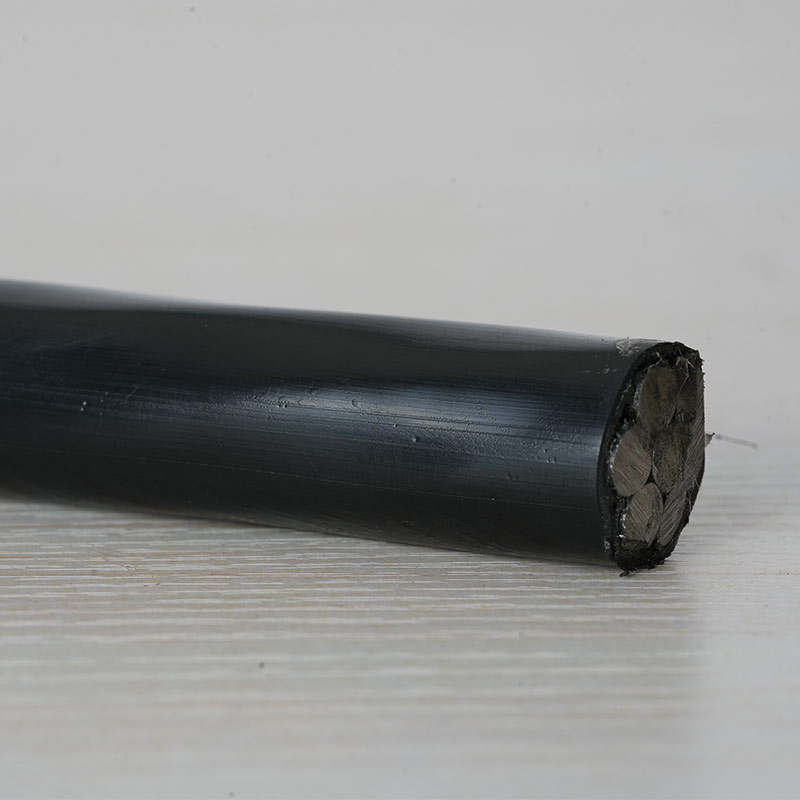
At its core, a Hollow Steel Strand is a highly specialized engineering component. Manufacturers create it by tightly winding high-strength steel wires around a central hollow tube. This unique geometric design transforms the strand from a simple tensile member into a multi-functional delivery system. It effectively bridges the gap between structural support and chemical anchoring.
The central void acts as a dedicated conduit. It allows site crews to inject cementitious grout, epoxy resins, or anchoring chemicals directly through the strand axis after it has been tensioned. This feature is vital for active reinforcement in mine roof support or soil nailing. By delivering bonding agents straight through the core, the strand creates a seamless mechanical bond with the surrounding rock or concrete mass. This mechanism locks the tension in place permanently.
A standard solid strand is intended primarily for high-load tensioning in concrete structures, relying on external ducts for any subsequent grouting. In contrast, the hollow variant is engineered for integrated versatility. While a solid cable requires extensive site preparation to install separate injection tubes, the hollow strand integrates the fluid path directly into its structural geometry.
Feature | Solid Prestressing Strand | Hollow Steel Strand |
|---|---|---|
Grouting Method | Requires separate external ducts | Direct internal core injection |
Site Preparation Time | High due to duct installation | Significantly reduced |
Pressure Testing Focus | External duct sealing | Internal core integrity and burst resistance |
Primary Application | Bridge decks, concrete slabs | Mine roof support, rock anchoring, soil nailing |
This innovation saves massive amounts of site preparation time. Consequently, it mandates a rigorous pressure test to verify the internal tube seal before any permanent bonding agents are introduced.
Skipping pressure tests is a gamble no responsible project manager should ever take. Structural failure under load is catastrophic. It often results in severe safety hazards and millions in damages. These tests provide the empirical data required for strict quality assurance, proving that the installed materials can handle the specific demands of the excavation site.
The internal core must remain pressurized during the grouting phase. If the inner tube harbors a microscopic leak, the grout may migrate prematurely into the wire interstices. This leakage causes internal blockages, rendering the anchor ineffective and leaving voids in the reinforcement. A proper pressure test confirms that the internal path is completely clear and hermetically sealed along its entire length. This ensures the grout reaches the absolute bottom of the drill hole.
Beyond evaluating the core, the Prestressing Strand must withstand the massive pulling force of post-tensioning. Pressure testing simulates the internal stress the strand faces during active use. Combined with standard pull-tests, it confirms that the manufacturing process has produced a uniform, resilient, and reliable product.
To perform an accurate test, you need specific, calibrated equipment. Relying on makeshift tools or outdated pressure dials leads to erroneous readings, false passes, and potential site accidents. The testing environment is unforgiving. It demands precision at every connection point.
You require a high-pressure hydraulic pump capable of steady, highly controlled fluid delivery. Digital pressure gauges are absolutely essential in modern testing. These electronic monitors must be NIST-traceable and calibrated to detect micro-fluctuations in pressure down to a fraction of a megapascal. Analog dials often miss these tiny drops, which could indicate a slow leak or early structural yielding.
The procedure requires heavy-duty, high-pressure end caps. These fittings must provide a hermetic seal against the inner tube. Engineers meticulously design them to withstand pressures far exceeding the anticipated grout injection force. This isolation ensures the test environment remains entirely cut off from atmospheric pressure. A slight hiss from an improperly fitted cap will ruin the test data instantly.
Consistency is the backbone of quality assurance. Following a precise procedure maintains testing accuracy across your entire project site. Every single tendon must be evaluated under the exact same conditions to ensure absolute reliability.
Before any equipment is attached, inspect the strand for surface corrosion, mechanical abrasions, or transport damage. A kinked or crushed core will immediately invalidate the test. Wipe away microscopic grit and residual mill scale with a stiff wire brush. The hollow path must be entirely free of construction debris or dust that could clog the injection nozzles or compromise the O-ring seals.
Attach the end caps using the manufacturer-specified torque settings. A loose cap will result in a false fail due to seal leakage, wasting valuable site time. Once attached, verify that the mechanical connections are tight and that the rubberized seals are seated perfectly flush against the freshly cleaned strand ends.
Gradually introduce the testing fluid, which is usually clean, filtered water. Increase the pressure in controlled increments, typically twenty percent of the target pressure per step. This slow, deliberate ramp-up prevents the fluid hammer effect. A sudden shockwave of pressure could stress the outer wire layers unnecessarily and damage the delicate pump valves.
Once the target testing pressure is achieved, close the pump isolation valve. Hold the pressure steadily for five to fifteen minutes, depending on site specifications. Keep a close eye on the digital gauge for any steady decline. A slight initial dip is perfectly normal as the hoses expand and the system reaches equilibrium. However, a continuous, unyielding drop suggests a definitive leak.
Depressurize the system incredibly slowly. Rapid release can cause severe back-pressure issues, potentially rupturing hoses or damaging the sealing caps. Once ambient pressure is safely restored, meticulously log the results. Record the holding time, the peak pressure, and any fluctuations into your quality assurance report for the site inspector.
Testing is only as reliable as the materials being evaluated. Shifting our focus to compliance, it becomes evident that the metallurgical properties of the steel dictate the success of the pressure test. Using substandard materials introduces variables that make accurate data logging nearly impossible.
Geotechnical projects are governed by strict regulatory frameworks, such as ASTM A416 or EN 10138 standards. These codes dictate the exact manufacturing tolerances, tensile strengths, and burst pressures the steel must endure. A strand that has not been certified to meet these international benchmarks is a liability. It is highly likely to fail under the rigorous demands of a high-pressure fluid test.
Understanding material behavior under stress is critical for accurate testing. When you utilize a Certified Low-Relaxation Prestressing Steel Strand, you are working with steel that has been specially heat-treated to resist creep. Creep is the tendency of metal to slowly stretch under sustained tension.
During a pressure test, standard stress-relieved strands may exhibit slight volumetric expansion as the steel yields to internal hydrostatic forces. This expansion mimics a leak on the pressure gauge. Specifically, premium low-relaxation strands maintain their rigid internal dimensions. When sourcing materials, engineers should look for specific parameters. For a standard 15.24mm strand, look for an ultimate tensile strength of 1860 MPa, a minimum yield load of 234 kN, and a relaxation rate of less than 2.5 percent at 1000 hours. These specifications ensure that any pressure drop recorded is a true leak rather than just material deformation.
Because the testing environment involves extreme hydrostatic forces, even minor deviations in equipment setup can lead to anomalous readings. Project engineers must be prepared to diagnose and resolve these issues promptly to prevent costly delays.
One of the most frequent challenges encountered during the stabilization phase is the presence of micro-leaks. Unlike a catastrophic blowout, a micro-leak presents as a slow, agonizing decay on the digital gauge. The vast majority of these leaks occur at the mechanical end caps. High-pressure O-rings can degrade, or residual rust may prevent a flush seal. To diagnose this, technicians apply a leak-detection fluid around the joints. If bubbles form, the test must be safely depressurized, the seals replaced, and the strand ends re-cleaned before restarting.
A sudden, sharp drop in pressure is a more alarming symptom. If water is used for the test, any air trapped inside the hollow core will compress much more than the liquid. If this trapped air pocket suddenly escapes, the gauge will plummet. Furthermore, a sudden drop can indicate a valve failure in the pump or structural yielding of the steel itself. Safety protocols dictate that the technician must immediately abort the test, bleed the system thoroughly, and conduct a full mechanical inspection.
Looking at the broader landscape of geotechnical engineering, the methodology surrounding structural testing is rapidly evolving. Recent industry shifts highlight a growing reliance on smart sensors and Internet of Things technology during the tensioning and testing phases. Instead of manual gauge reading, modern sites are increasingly adopting wireless pressure transducers. These devices beam real-time relaxation curves directly to an engineer tablet.
Furthermore, as mining operations dig deeper and urban excavations face stricter settlement regulations, the demand for high-capacity hollow tendons is surging. Regulatory bodies are responding by tightening the testing parameters. This shift pushes contractors to abandon outdated analog methods in favor of fully digitized, traceable quality assurance systems. Consequently, the reliance on premium, factory-certified materials has never been higher.
Pressure testing a hollow steel strand is an indispensable procedure. It ensures both structural integrity and safe, effective grouting. By isolating the internal core and subjecting it to rigorous hydrostatic evaluation, engineers can confidently prevent subterranean leaks and catastrophic tendon failures. Investing in high-quality materials and strictly adhering to standardized testing protocols ultimately saves time, prevents budget overruns, and protects lives on the construction site.
When your project demands zero margin for error, material selection is your first line of defense. We highly recommend sourcing your structural tendons from proven manufacturers. For industry-leading specifications and certified engineering materials, visit tjdejia.com to find the exact prestressing solutions tailored to your geological demands.
The standard pressure depends heavily on the project engineering requirements, the strand diameter, and the intended application. Generally, industry standards dictate testing the internal core at a pressure equivalent to 1.25 to 1.5 times the maximum working pressure of the grout injection pump used on-site. In practical terms, this often translates to testing pressures ranging between 10 MPa and 30 MPa. Always consult the structural engineer technical data sheets for exact parameters.
A certified low-relaxation strand behaves significantly better under sustained pressure due to its specialized metallurgical heat treatment. It easily maintains its internal tension and resists microscopic stretching over time. Because the internal volume of the hollow core remains rigid and constant, the pressure gauge readings stay highly stable during the holding phase. This stability allows technicians to easily distinguish between a genuine fluid leak and mere material expansion.
Testing is performed in both environments, but with different objectives. Rigorous, baseline qualification testing must be conducted in a controlled manufacturing laboratory to determine ultimate burst pressure and yield strength. However, on-site field testing is a standard and necessary practice prior to grouting. Field engineers perform system integrity tests to confirm the strands were not damaged during installation and to verify proper sealing.
Clean, filtered water is the most commonly used fluid for internal pressure testing. Water is preferred because it is virtually incompressible, providing highly accurate and responsive pressure readings. It is also environmentally safe. While specialized hydraulic oils power the external tensioning jacks, they are rarely used inside the hollow core. Oil residue would severely compromise the bonding efficacy of the cementitious grout injected later.
Ambient temperature fluctuations can slightly alter fluid dynamics and the expansion rate of the steel. If a test is conducted under direct, intense sunlight, the water inside the core may heat up and expand, causing a false increase in pressure on the gauge. Conversely, a sudden drop in ambient temperature can cause the fluid to contract, mimicking a micro-leak. Engineers must log environmental conditions and account for these thermal variations during the stabilization phase.
In a theoretical environment, the gauge would remain entirely static. In reality, a standard pass typically allows for a very marginal pressure drop. This is often less than 1 to 2 percent of the total test pressure over a 15-minute hold, provided the pressure eventually stabilizes. If the pressure decay exceeds this tolerance, continues to drop without stabilizing, or if there is any visual evidence of fluid weeping, the test is recorded as a failure.


