
Views: 0 Author: Site Editor Publish Time: 2026-07-02 Origin: Site


When you look at suspension bridges, elevators, or heavy machinery, you immediately notice thick metal strands holding immense weight. People frequently use numerous different names to describe these vital load-bearing materials. You might hear them called cables, ropes, or simply wires. Knowing exactly what to call these structural components matters significantly for engineering accuracy and job site safety. Using incorrect terminology often leads to improper material selection, potential structural failures, and serious regulatory compliance issues. Accurate language ensures engineering teams communicate perfectly during demanding construction projects. We will clarify the precise terminology used for these metallic threads across various industries. You will discover the distinct differences distinguishing basic single strands, multi-strand cables, and complex wire ropes. We also explore primary component structures and examine typical field applications to help you specify the right materials safely.
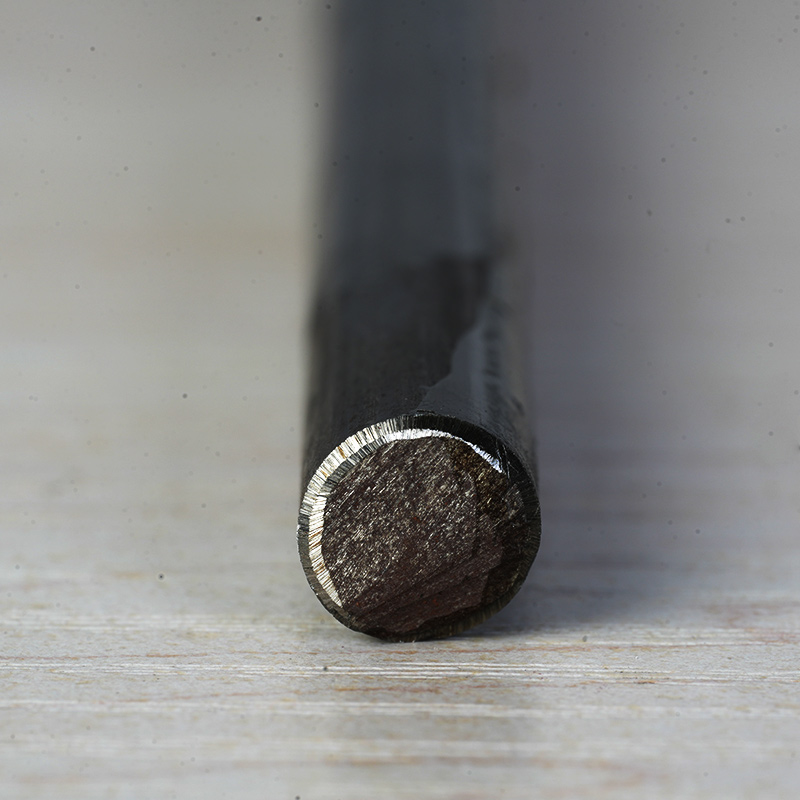
Industry professionals use highly specific terminology to describe metallic structural filaments. A single cylindrical flexible rod represents the most basic material form. Manufacturers process this raw metal through specialized drawing machines. These machines pull thick rods through progressively smaller tungsten carbide dies. This cold-drawing technique compresses the atomic grain structure. It significantly boosts the ultimate tensile strength of the finished material. Engineers formally refer to this single drawn element simply as a wire.
Laypeople often use this terminology incorrectly in everyday conversation. They might point out a complex braided assembly and casually call it a wire. This creates widespread confusion during project planning and material procurement. In technical documentation, precise language remains entirely non-negotiable. Material scientists classify these thin metal lines based on carbon content and surface finish. A high-carbon variant offers exceptional tension capabilities for heavy structural loads. Low-carbon versions provide better bending flexibility for lighter manufacturing tasks. You must use exact naming conventions when specifying materials to ensure structural integrity.
Many procurement specialists ask what constitutes a true steel wire in demanding engineering contexts. It acts as the fundamental building block for all larger structural lifting products. It never contains smaller twisted sub-components. It always exists as one solid continuous piece of drawn metal. If you see multiple metallic threads woven together into a pattern, you are no longer looking at a basic wire.
The industry also uses alternative names for specific sub-categories. You might hear professionals mention metallic filaments, reinforcing strands, or core threads. These terms usually describe the exact same basic cylindrical product. However, context determines the most appropriate label for the job site. A tensioning thread used in concrete reinforcement serves a different purpose than a filament inside an electrical conduit.
When manufacturers weave individual metal threads together, they create highly advanced structural systems. These complex systems consist of three clearly defined primary components. Understanding these parts helps you assess material health and calculate total load capacity accurately.
The Central Core: This crucial element sits directly at the center of the entire assembly. It provides vital structural support for all the surrounding outer layers. It actively prevents the outer strands from crushing inward under extreme heavy loads.
The Individual Strands: Manufacturers twist several primary wires together to form a single cohesive strand. These multi-wire strands then wrap spirally around the central supporting core. They carry the primary tension forces during major lifting and rigging operations.
The Basic Wires: These represent the smallest individual metal filaments in the system. They form the foundational building blocks of the helical strands. Their specific material grade ultimately determines the overall breaking strength of the finished product.
You must inspect all three structural components thoroughly during routine maintenance checks. A failing inner core often causes the outer strands to rub aggressively against one another. This internal friction accelerates hidden wear and severely compromises operational safety. Common industry mistakes include only inspecting the visible outer layers while ignoring internal degradation.
Engineers also categorize these assemblies by their specific lay direction. Lay direction describes how the strands spiral around the central axis. In a regular lay configuration, the individual wires align parallel to the main core. This provides excellent stability and prevents unwanted twisting during free-hanging lifts. Lang lay configurations angle the wires diagonally across the main axis. This creates superior flexibility and significantly reduces abrasive surface wear.
People constantly use the terms cable and rope interchangeably. This represents a significant communication error in heavy industrial engineering. Industry safety standards dictate a clear technical distinction based on diameter measurements and intended applications. You must understand this fundamental difference to ensure total operational compliance.
Engineers universally follow a specific measurement rule to separate these two categories. The definitive dividing line sits precisely at the 3/8-inch diameter mark. If the entire assembly measures smaller than 3/8 of an inch, professionals classify it as a cable. If the total diameter exceeds this critical measurement, they officially designate it as a wire rope.
Application types also dictate the proper terminology in the field. Aircraft flight controls, bicycle brakes, and light architectural rigging typically utilize thin cables. Heavy construction cranes, deep mining hoists, and massive suspension bridges rely exclusively on robust wire ropes. Cables offer excellent mechanical flexibility for routing through small enclosed pulleys. Ropes provide massive internal tensile strength for lifting immense industrial loads vertically.
Here is a simple technical chart summarizing the primary differences between the two terms:
Feature | Cable | Wire Rope |
|---|---|---|
Diameter Standard | Smaller than 3/8 inch | 3/8 inch or larger |
Primary Application | Light tension, routing, architectural rigging | Heavy lifting, deep hoisting, bridge suspension |
Flexibility Profile | Highly flexible for tight bending radius | Stiffer structure designed for vertical load bearing |
Common Example | Aircraft control lines, winch lines | Crane rigging, elevator hoisting lines |
Material engineers classify these high-strength filaments into several distinct performance categories. Each specific type serves a unique environmental or mechanical industrial purpose. You should always select the base material based on anticipated atmospheric exposure and physical stress. Choosing an incompatible material grade often leads to rapid structural degradation.
High-Carbon Variations: These specialized grades offer maximum ultimate tensile strength. They firmly resist stretching or mechanical deformation under extreme continuous tension.
Stainless Alloys: These materials provide truly exceptional chemical and environmental corrosion resistance. They perform beautifully in harsh marine environments or highly acidic processing facilities.
Galvanized Coatings: Manufacturers dip these raw filaments directly into pools of molten zinc. The resulting zinc layer acts as a sacrificial barrier against aggressive rust.
Bright Finish Variants: These basic products lack any applied protective surface coating. They require continuous manual lubrication to prevent rapid oxidation and rust formation.
The heavy lifting industry relies heavily on a historical grading system. You will often hear terms like Plow Steel or Extra Improved Plow Steel. These legacy terms originated during early agricultural equipment manufacturing eras. Today, they represent specific tensile strength categories authorized by standard material testing organizations. Improved Plow Steel acts as the foundational baseline for most modern rigging operations.
Material scientists also measure these technical products by their dynamic fatigue resistance. Repeated mechanical bending over small pulleys causes microscopic fractures deep inside the metal grain. High-quality manufacturing processes minimize these dangerous internal stress concentrators. You must match the required material grade directly to the specific operational cycle of your equipment.
Every major modern industry relies heavily on these high-strength metal filaments. They essentially form the reliable structural backbone of modern infrastructure and heavy engineering. You can find them supporting suspended concrete highway structures and lifting massive intermodal shipping containers.
In the commercial construction sector, pre-stressed concrete demands exceptionally strong internal reinforcements. Builders intentionally tension the metal strands before pouring the wet concrete mixture. This advanced process transfers immense compressive stress directly into the cured concrete slab. It significantly increases the overall structural load capacity of the completed building framework.
The global mining industry utilizes massive vertical hoist ropes for deep underground mineral extraction. These specialized assemblies must consistently withstand aggressive friction and heavy impact loads daily. Elevator systems in super-tall modern skyscrapers use specially designed flexible traction cables. These specialized components provide a perfectly smooth passenger ride while ensuring absolute mechanical safety.
Marine environments require entirely different material properties for safe long-term operation. Mooring lines and underwater towing rigs face constant exposure to highly corrosive saltwater. Engineers specify heavy galvanized coatings or pure stainless alloys for these demanding oceanic applications. Standard untreated carbon filaments will degrade rapidly in these harsh maritime conditions.
Choosing the correctly specified structural component prevents catastrophic industrial accidents and equipment failures. You must carefully evaluate the entire operational environment before making a final procurement selection. High ambient humidity or direct saltwater exposure requires specific corrosion-resistant chemical alloys. Standard plain carbon steel products will fail unexpectedly in these challenging atmospheric conditions.
We highly recommend establishing a strict documented equipment lubrication schedule for all moving assemblies. Proper deep lubrication minimizes internal friction forces between individual metal filaments. It also effectively seals out harmful moisture from penetrating the vital inner core. Many equipment operators make the critical mistake of only lubricating the visible outer surface. You must use specialized penetrating oils to protect the hidden internal structural elements.
Inspect your heavy equipment closely for broken outer metal filaments on a regular weekly basis. Finding just a few randomly broken strands indicates the initial onset of mechanical structural fatigue. Industry safety standards provide strict mandatory retirement criteria for physically damaged assemblies. You must never knowingly exceed these allowable operational damage thresholds under any circumstances. Replace the compromised components immediately once they reach their established safe operational limits.
Proper storage also extends the working lifespan of these expensive mechanical assets. You should always store spare reels in a dry, well-ventilated indoor environment. Never leave bare unprotected reels sitting directly on damp soil or concrete floors. Wood pallets provide an excellent dry isolation barrier against ground moisture absorption.
Understanding exact terminology prevents costly miscommunications and dangerous engineering errors on complex job sites. Using correct technical names ensures your teams order the precise load-bearing materials needed for safe operations. You can implement several key takeaways immediately to improve your material management processes.
Identify your materials correctly based on the standard 3/8-inch diameter classification rule.
Recognize the three distinct components of complex assemblies: cores, strands, and basic wires.
Select specific surface finishes and core types based entirely on your unique operational environment.
Implement rigorous deep lubrication practices to protect vital internal components from friction wear.
Enforce strict weekly visual inspections to catch early signs of metallic fatigue.
Take time today to review your current material procurement specification sheets. Verify your engineering teams use the proper technical distinctions between cables and ropes. Updating your internal terminology standards will streamline purchasing and significantly boost overall site safety.
A: It is a single, continuous, solid cylindrical flexible rod made from drawn metal. It serves as the fundamental building block for larger structural assemblies. It contains no smaller twisted components. Manufacturers produce it by pulling raw metal rods through specialized reducing dies to increase tensile strength.
A: Engineers measure the absolute widest diameter across the outer strands using precision calipers. You must measure across the outer crowns of the strands, not the inner valleys. Taking measurements across the valleys yields an incorrect, smaller reading. This error can lead to severely overloading the equipment.
A: An independent wire rope core is a miniature rope functioning as the central support for a larger assembly. It provides significantly more crush resistance and structural stability than a traditional synthetic fiber core. Engineers prefer it for operations involving heavy loads wrapped tightly around small winch drums.
A: You can use stainless alloys for lifting, but you must account for their lower overall breaking strength. Stainless alloys provide exceptional corrosion resistance in harsh environments. However, they generally possess roughly ten to fifteen percent less tensile strength than equivalent high-carbon plow steel variants.


